


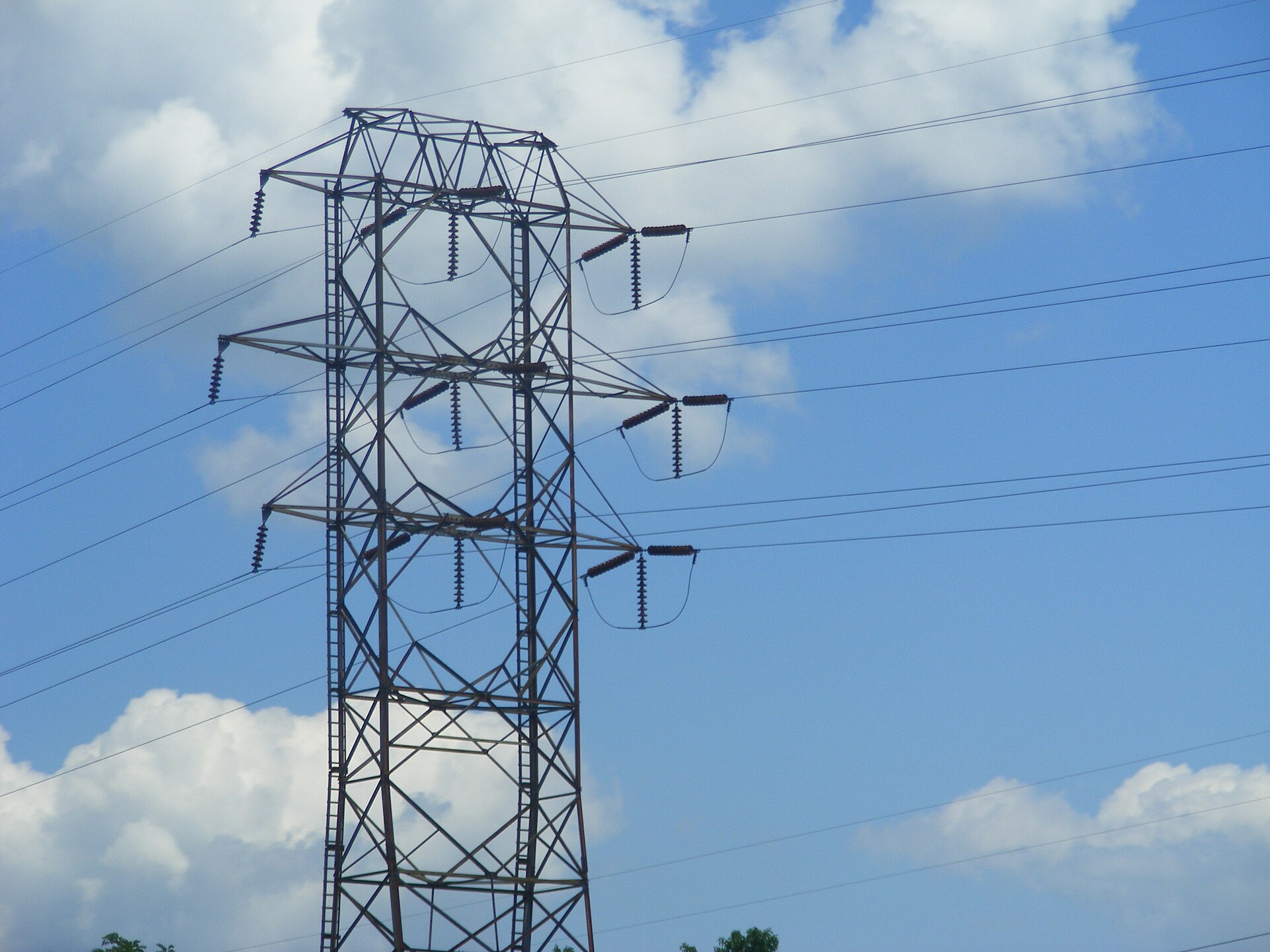
The Fourth of July didn’t sound like fireworks in Michigan, Pennsylvania and New Jersey — it sounded like 1.28 million air conditioners spinning down at once.
The grid was, in its operator’s own words, “stretched to the limit,” a phrase now quoted back with heavy sarcasm. And the generators bought after the last storm did what generators do: refused to start on the first pull, then overheated in the same heat that broke the wires.
If your street went dark that weekend, you are exactly who this site was built for — and the battery-first answer is quieter than what your neighbor bought.
The utility bill is the other radicalizer, and this year it acquired a villain with a street address.
Wholesale power near data-center clusters is up 267% in five years; rate-hike letters get traded on the forums like receipts at a fraud trial; and in July the Department of Energy began issuing emergency orders letting grid operators curtail data centers in the heat — read across every thread as official confirmation of what the bills had been saying all along.
Four in five Americans now report feeling powerless over their energy costs. “Powerless” is a word this site takes literally, and disagrees with.
Meanwhile the institutions that were supposed to make this easy spent twelve months burning trust. The 30% residential credit hit zero on January 1 with no phase-down. Quotes went up while hardware got cheaper.
The lease pitch got pushier — sell your exports for pennies at noon, buy them back at full price at dinner. Even the niche’s most trusted reviewer is being sued over a battery teardown.
What’s left standing is the only thing that was ever load-bearing: an itemized number with its method shown. That is the entire editorial policy here.
What To Do With a Month Like That
Not much of July was in your control. The part that is: know your own loads before the next heat dome or the next rate letter, because every other number in this project hangs off that one. Start with the load audit, then size the backup circuit that keeps the fridge, the wifi and one window of cool air alive.
For the longer read on what a multi-day outage actually does to a house, A Week With No Grid runs it hour by hour. And if the winter side of this worries you more than the summer side, what Uri taught Texas is the playbook piece. The numbers above were current as of the July 2026 events they describe; the next dispatch runs when the street changes again.