


Europe edition · balcony to autarky
Feed-in is dying. Independence isn’t.
France now pays 1.1 cents for the kilowatt-hour you export. The Netherlands ends salderen on 1 January 2027 — dead stop, no phase-out. Germany cut feed-in to 7.78 cents while the power you buy back costs five times that. The maths that sold your panels is being rewritten by the people who wrote it, so everything here starts from the new maths instead: keep your power, run it yourself, and climb one paid-off rung at a time.
Become the Grid Run your numbers
50 field guides · 6 free calculators · every number shown with its method.
July 2026: what this year actually feels like
On 28 April 2025 the Iberian peninsula went dark, and hundreds of thousands of solar owners made the same discovery at the same moment: a grid-tied inverter is legally required to shut down with the grid it’s tied to. The panels on the roof were flawless. The house was still dark. A year on, el apagón has stopped being a Spanish story — anniversary threads and compensation claims ran all spring, a multi-day Berlin outage put roughly 45,000 households through the same lesson in German, and Spanish behind-the-meter battery installs grew about 589% in a year. The question that used to open every forum thread — what does it save? — has been permanently replaced by a better one: what runs when the grid dies?
The second thing this year taught is that any payback calculation resting on a government number is provisional. Three export regimes were cut or killed inside twelve months, each one after people had invested against it. In Britain the anger has a different shape — a standing charge that bills you handsomely for using nothing, and a zero-standing-charge promise that arrived late and watered down. The response on the forums has been strikingly uniform, and strikingly sane: stop optimising for what they pay you, start optimising for what you don’t buy. Measure your actual surplus for a season before spending a cent on storage. No vendor will tell you that, which is roughly why it’s good advice.
And the third: the cheap plug-in battery wave of 2025 is a year old now, and the first firmware updates that brick expansion packs, the support inboxes that go quiet, and the “emergency power” that can’t boot without a foreign data centre have all landed. Does it work without the app? has become the first line of the spec sheet, not the last. None of this is doomsday behaviour — nobody here is digging a bunker. It’s craft: people preparing for Tuesday’s spot price and the occasional dark Wednesday, and getting measurably good at it.
Nobody here started in the woods
The European route to independence isn’t a leap, it’s a ladder — balcony rail to open country, each rung paid for by the one below it. Find yours; everything on this site is organised around the climb.
The balcony rail
A plug-in kit, registered with the grid operator, generating before lunch — the one independence move available to apartment Europe, which is why registrations doubled in a year. The discipline that matters here: run it a season and measure your real surplus before you buy storage. The forums are right about that one.
The shed roof and the first battery
More panels than the railing allows, and the storage decision your surplus data has now earned. Chemistry, placement, DC-coupling to dodge the double-conversion tax — and the question 2026 made mandatory: does it still answer to you when the maker’s cloud doesn’t?
The house that stays lit
The post-apagón rung: a hybrid, island-capable inverter that keeps the fridge, the router and the lights alive while the street is dark. Backup is a design decision made at the wiring stage, not an accessory bolted on later — and a 2 kWh battery runs a fridge for 15–18 hours if you let it do nothing else.
Land, water, paperwork
The quinta, the croft, the hectare in the Tarn. The energy system is the easy third of it: rustica or urbana settled before any deposit, the well tested in August when wells tell the truth, the habitation licence mapped before the moving van. Our land guides price the questions the listing photos don’t answer.
Three doors in
Deciding on storage
The kit is registered, the app shows the midday clip, and the with-or-without-Speicher question has been open for a month. Feed your real usage into the solar sizing calculator, then let the storage guides settle coupling, chemistry and placement — with the payback method printed next to the answer, at your tariff, not a brochure’s.
Leads to: rung two, with numbers you can defend.
Building the backup
A standing charge for using nothing, a feed-in rate that insults you, or a blackout that outed your panels as decorative. Start with the backup power calculator to size what keeps the fridge and router alive, then the backup power playbook for the island-mode wiring the sales pages skip.
Leads to: an island-capable spec, and the exact gear to build it.
Pricing the dream
Midnight listings, a ruin with olive trees, a budget that works until the borehole quote lands. Read where Europeans really go off-grid first, then run the relocation matchmaker — water, law and winter yield, weighed before the deposit rather than after.
Leads to: a shortlist that survives August.
No spreadsheet required
Don’t want numbers? Get asked instead.
Become the Grid is the flagship: a four-dimension assessment — power, water, land, lifestyle — ending in a named archetype and a Grid Blueprint with one clear verdict per dimension. Ten minutes, no email wall, and it points you at exactly the guides and calculators your situation needs. The quick quizzes settle single questions in about three.
1.1c
per kWh, what France now pays for your exported surplus.
Method
EDF OA tariff, June 2026 revision.
7.78ct
German feed-in since February — against 38–42 ct to buy power back.
Method
published feed-in rate vs household tariffs.
+589%
growth in Spanish home battery installs in the year after the blackout.
Method
industry install figures, 12 months post-apagón.
field guides in the library, power to paperwork — each showing its working.
Method
count them — the index is public.
Eleven fields, one system
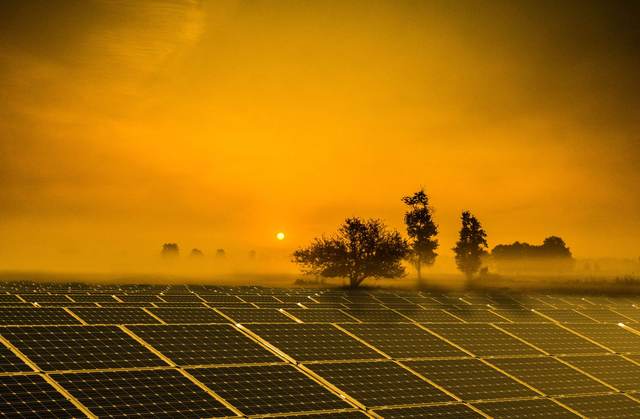
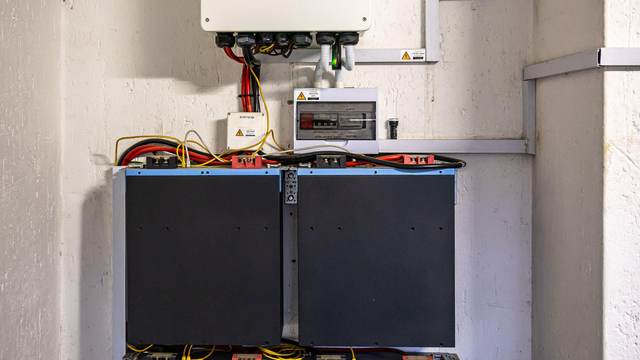
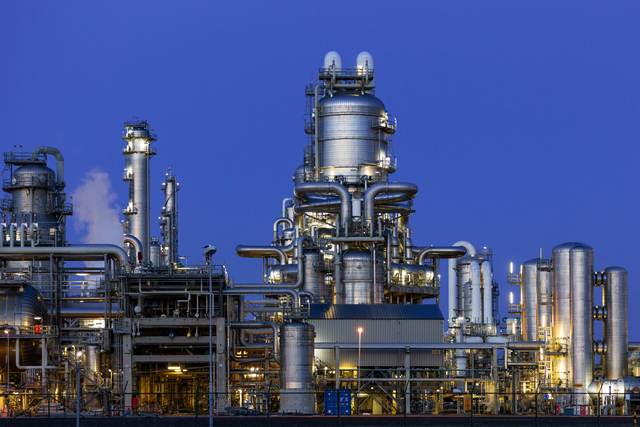
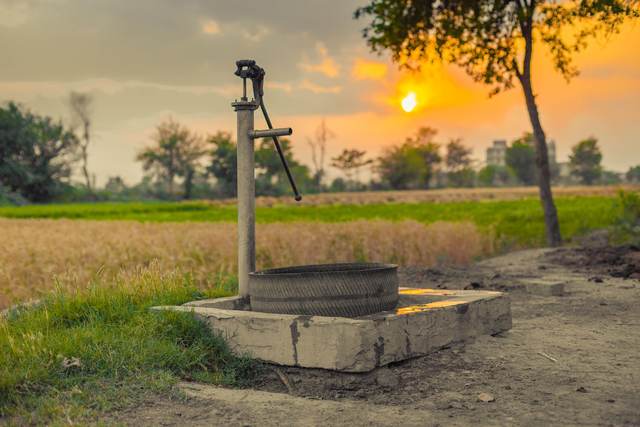
Every rung of the ladder drags water, heat and shelter up with it. Eleven areas, treated as one machine — each a full field of its own on the solutions pages, with guides to read, calculators to run and the exact gear to buy.
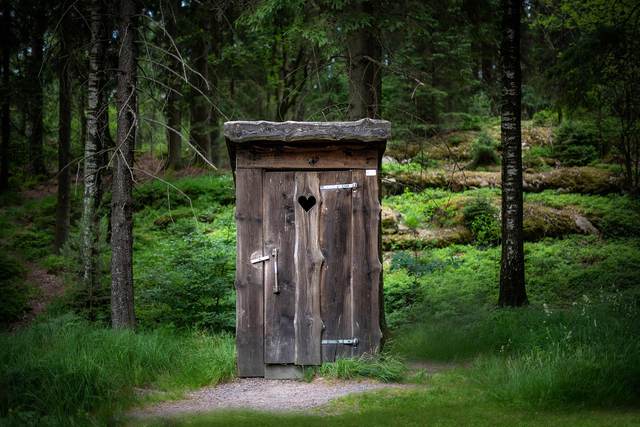
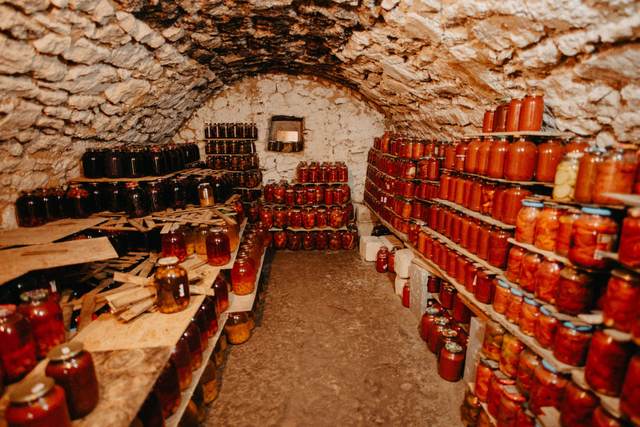
Run your numbers
Six calculators, method on the table
Installer spreadsheets earned their reputation; these are the antidote. Put in a load list, your latitude’s winter sun and the tariff you actually pay, and out comes an array size in watts, a battery bank in kilowatt-hours and days of autonomy, a generator rating, a tank size in litres — with every formula printed beside its result so you can re-run it, argue with it, or have a forum check it. Nothing is gated, nothing asks for your email first.
- Solar sizing — array watts from your daily kWh and December sun.
- Battery bank — usable kWh and days of autonomy, chemistry included.
- Backup power — what keeps the fridge, router and lights alive, and for how long.
- Can I run my house off-grid? — the whole-house verdict in one pass.
- Power station sizing and water catchment — the portable and the plumbed.
Because this audience checks. Payback claims without their working are how balconies end up with the wrong Speicher and quintas end up with dry taps. If a number of ours doesn’t survive contact with your meter, we want to know.
The calculators hand you a spec you own — run the numbers first, then take them to the exact gear we point you at, and price the build against your arithmetic, not a brochure’s.
Reading for this side of the Atlantic

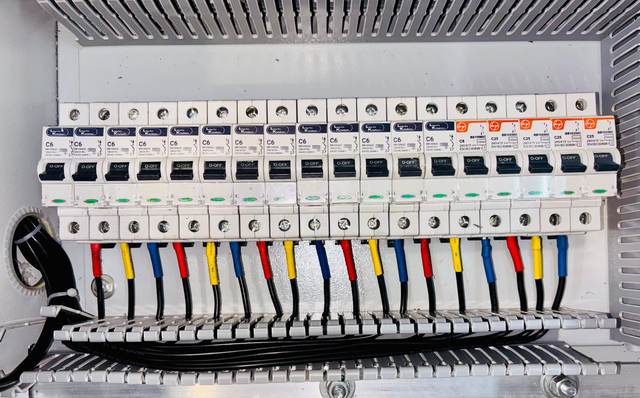
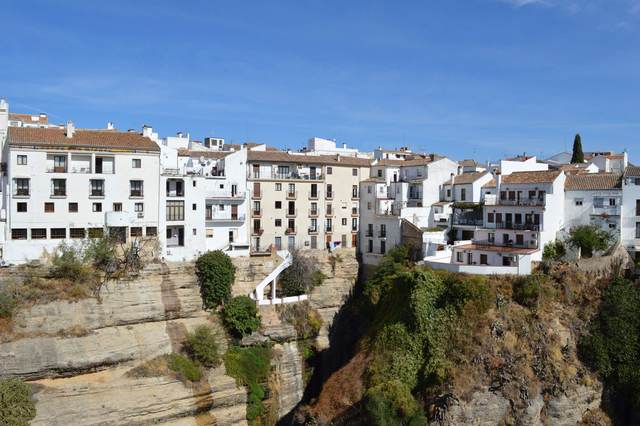
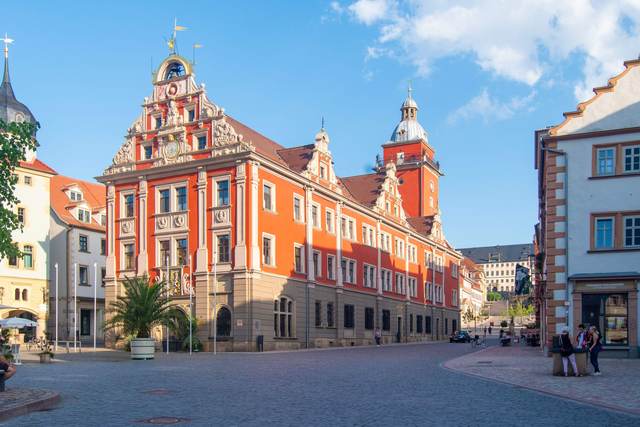
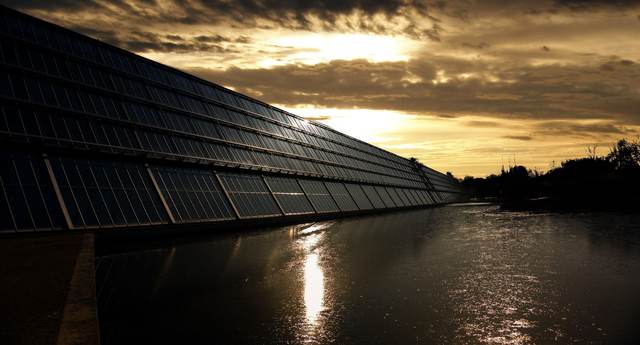
All 50 guides live in the library — power, water, heat, sanitation, food and land.
We spec it. Then we point you at the exact gear.
Tell us the site and the load — a balcony in Vienna, a terrace roof in Utrecht staring down 2027, a quinta with a well nobody has tested in August. We scope it end to end against the same maths the calculators use, then hand you the exact CE-marked, 230 V hardware that fits and where to buy it.
The gear links are affiliate: buy through them and we earn a small commission at no extra cost to you, which is what keeps every calculator and guide on this site free and un-gated. You keep the spec either way — plenty of people take the numbers and source the parts themselves, and we count that as a win. A European installer network is coming, country by country; until it reaches yours, we hand you the parts list, not a sales call.
Stay on the ladder
The dispatch
One email when a cliff moves, a new guide lands, or the gear we’d actually buy changes. No list-selling, no daily noise.
Coming, country by country
The vetted-installer waitlist
We’re building a vetted installer network across Europe one country at a time. Tell us where you are and we’ll notify you the moment we’ve vetted pros who can quote your build.
One rung at a time
Ready for the next rung?
Take the assessment, run the numbers, or head straight for the guides — the ladder is the same whichever door you take.
For installers
Install off-grid systems in Europe?
We’re vetting installers country by country. Join the network now and you’re first in line for introductions the moment matching opens where you work.